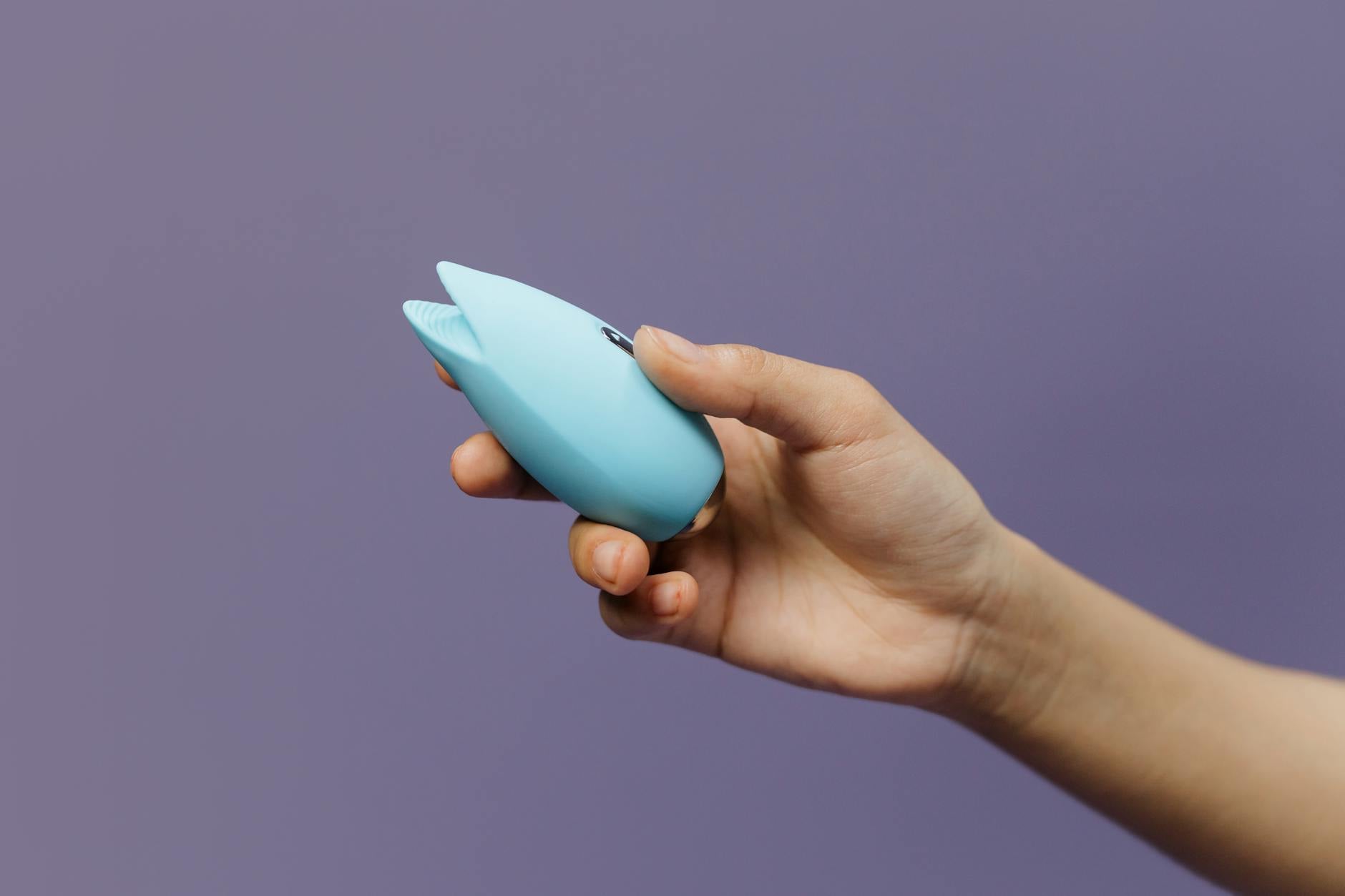
How to Use a Lemon Vibrator for Better Orgasms After Surgery Recovery
Let's be real. Nobody warns you that surgery can disrupt your sexual life. Whether it's gynecological surgery, abdominal work, or something else entirely, healing involves more than just physical recovery. It involves reclaiming a part of yourself that feels suddenly foreign.
The good news: pleasure isn't off the table. You just need to approach it differently during this window. A lemon clitoral vibrator, specifically the air-suction design, can actually support your healing process rather than complicate it. Here's why, and how to use one safely.
Why surgery disrupts sensation in the first place
Post-surgical pain, swelling, and scar tissue formation aren't just physical sensations. They change your nervous system's ability to receive pleasure. Nerves get irritated. Blood flow gets redirected toward healing. Mentally, you're navigating anxiety about whether your body will feel "normal" again.
The clitoris is exquisitely sensitive to pressure, vibration, and touch. Even small surgical sites away from the vulva can affect how arousal builds, because everything is neurologically connected. Your brain is also processing fear or anticipation of pain, which shuts down arousal pathways instantly.
Here's what doesn't change: the clitoral nerve tissue survives surgery. Your capacity for pleasure is still there, dormant but intact. The job during recovery is to gently reawaken it without triggering pain responses.
Why lemon vibrators are better than fingers or other toys post-surgery
Air-suction clitoral vibrators like the Lem work differently than traditional vibrators. Instead of rapid mechanical vibration, they use gentle pulses of suction that stimulate nerves without direct pressure. This matters enormously during recovery.
Your skin is still healing. Direct friction from fingers or a traditional vibrator can irritate tissue, reopen micro-tears, or trigger inflammation. The suction action of a lemon clitoral vibrator keeps stimulation focused and consistent without the grinding motion that causes discomfort.
Air-suction designs also give you precision control. You can start at the lowest intensity and stay there for weeks if needed. The sensation feels different from anything else. Because it's not mechanical vibration, your nervous system doesn't perceive it as aggressive. It reads as gentle stimulation instead.
Most importantly, lemon vibrators work with your healing timeline instead of against it.
The first two weeks: observation and gentle contact
Your surgeon will tell you when external touch is safe. Usually, that's somewhere between 3 and 7 days post-op, depending on the type of surgery. Before you even think about any stimulation, clear it with your care team.
Once you get the go-ahead for external contact, start with observation. Hold a lemon vibrator (don't turn it on). Notice how your body responds to the presence of the object. Some people feel anxiety. Some feel relief. Both are normal.
When you're ready, turn it on to the lowest setting (usually level 1 or 2 on a lemon vibrator). Don't apply it directly to the surgical area. Instead, explore the outer edges of the vulva. The labia majora. The upper inner thigh. Areas far enough from the surgical site that you can relax.
This is about rebuilding the neural pathway that says "touch = pleasure," not "touch = pain." Spend 5 to 10 minutes doing this. You're not aiming for orgasm. You're aiming for comfort.
Weeks three through six: expanding the zone
As swelling reduces and your care team confirms healing progress, you can slowly expand where you explore. If your surgery was gynecological, your surgeon will probably clear direct clitoral stimulation around week 3 or 4.
Start with the outer parts of the clitoris. The hood. The sides. A lemon sucker's gentle air-pulse action is perfect here because it doesn't require you to lie still in perfect position. You can adjust slightly if something doesn't feel right.
Keep intensity low. Resist the urge to crank it up because you want "results." Healing tissue is fragile. What feels subtle now will feel more intense in a few weeks as sensitivity returns. Your nervous system is slowly relearning how to translate stimulation into pleasure.
During this window, you might notice that orgasm feels different. Maybe smaller. Maybe harder to reach. Maybe it comes and goes. This is completely normal. Your pelvic floor muscles are still healing. Your hormones are still rebalancing post-surgery. Your brain is still processing the trauma.
Orgasm will return fuller and richer as weeks pass. Don't chase it yet.
Weeks six onward: rebuilding intensity and arousal
Once your surgeon clears full activity (usually around 6 weeks for most surgeries), you have more freedom. But freedom doesn't mean "go back to normal immediately." Think of this as retraining.
Your clitoral sensitivity has probably started returning by now. You can experiment with higher intensity settings on a lemon vibrator without fear of irritation. The air-suction action still won't cause the friction damage that traditional vibrators might.
This is where rebuilding arousal becomes important. You've been focused on healing. Your mind might still be in recovery mode even though your body is clearing it. Arousal requires mental engagement, not just physical stimulation.
Spend time on the non-physical stuff: fantasy, anticipation, flirtation with a partner if you have one, or solo exploration of what turns you on now (it might be different post-surgery). Then layer in the lemon clitoral vibrator. The combination of mental and physical stimulation is what wakes up desire.
Managing the psychological layer
Here's what nobody tells you: the physical healing and the emotional healing run on different timelines. Your surgeon cleared you for sex, but your nervous system might not feel safe yet.
Pain during or after pleasure is one trigger. But so is the memory of pain, the fear of re-injury, or the grief of lost sensation during the initial recovery window. If you're partnered, there's also the dynamic of navigating your partner's patience and desire alongside your own.
Using a lemon vibrator solo first gives you control. You can stop whenever you want. You can go at your pace. You're proving to your nervous system that pleasure is possible again without external pressure.
When you're ready to include a partner, the conversation matters as much as the technique. Let them know what feels good, what doesn't, and what you're still anxious about. A partner who understands post-surgical recovery knows that pleasure might be interrupted, that intensity might dip some days, and that your needs are legitimate.
Practical tips for post-surgical play
Start in comfortable positions. Don't lie flat on your back if that aggravates the surgical site. Side-lying or partially reclined often feels better. Your body knows what's safe. Trust that.
Water-based lubricant helps, even if you're not using penetration. Healing tissue appreciates the glide. It also makes air-suction feel smoother. Apply it generously and reapply as needed.
Keep sessions short at first. 10 to 15 minutes is plenty. Fatigue interferes with arousal, and your body is still directing energy toward healing. As you feel stronger, sessions will naturally last longer.
Clean your lemon vibrator before and after, especially post-surgery when tissue is more vulnerable to infection. Warm water and mild soap, or use a toy cleaner designed for silicone.
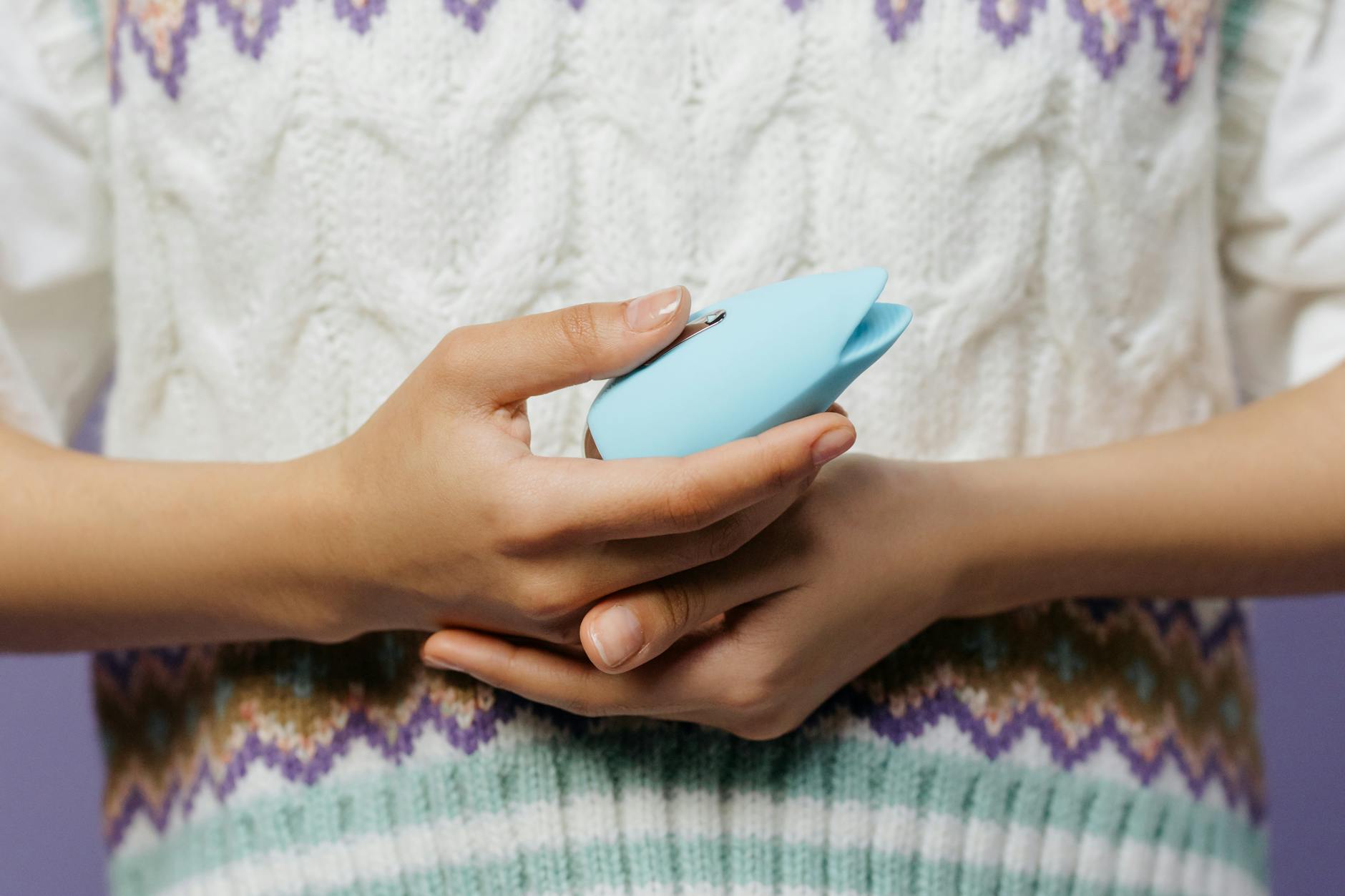
Photo by cottonbro studio on Pexels
When to pause and check in with your surgeon
Some discomfort is normal. Sharp pain, increased bleeding, new swelling, or discharge that smells wrong isn't normal. Those are signals to contact your surgical team before continuing.
Same goes if you feel intense anxiety around touch even weeks post-op. That might point to trauma processing that benefits from a therapist rather than pushing through.
Your surgeon might also recommend starting with how to use a lemon vibrator when recovering from pelvic floor dysfunction if your surgery involved that area. Pelvic floor physical therapy and pleasure work go hand in hand during recovery.
Rebuilding takes time, but it works
Most people report that post-surgical sensitivity returns within 8 to 12 weeks, depending on the procedure. Orgasm quality usually improves once you're past the 3-month mark. Many people find that rebuilding pleasure intentionally, with tools like a lemon vibrator and genuine curiosity about their body, actually deepens sensation compared to pre-surgery.
Your clitoris survived the surgery. Your nervous system is intact. Your body knows how to feel pleasure again. A lemon clitoral vibrator just helps you get there without friction, pressure, or frustration.
Be patient with yourself. Recovery is linear-ish, not perfectly smooth. Some days sensation will feel stronger. Some days it won't. That's healing, not failure.
People Also Ask
How soon after surgery can I use a vibrator?
Always wait for explicit clearance from your surgeon before using any toy, including a lemon vibrator. This varies by surgery type, but usually external contact is cleared at 3 to 7 days post-op, and direct clitoral stimulation around week 3 to 4. Start gently when cleared, not at full intensity.
Will a lemon vibrator cause bleeding or re-injury during recovery?
Air-suction vibrators are gentler than traditional vibrators because they don't rely on friction. That said, using one on tissue that's still actively healing can irritate it. The key is patience. Start with low intensity on the outer vulva first, and only move closer to the surgical site once your surgeon confirms it's healed enough for stimulation. If you notice bleeding, stop and contact your care team.
Can I use a lemon vibrator if I'm partnered but my partner is scared of hurting me?
Absolutely. A lemon vibrator gives you solo control first, which rebuilds your confidence and your body's trust in pleasure. Once you've proven to yourself that arousal is safe again, your partner can feel that confidence. Communication is the real tool here. Tell your partner exactly what intensity feels safe and when you need to stop. Many couples find that how to use a lemon vibrator when both partners need different recovery timelines addresses this dynamic.
What if I still have numbness weeks after surgery?
Some numbness or reduced sensation is common post-surgery and often resolves over months. A lemon vibrator can help because the air-suction action stimulates nerves differently than pressure or friction. If numbness persists beyond 3 months or worsens, mention it at your follow-up appointment. You might benefit from resources on how to use a lemon vibrator when clitoral numbness follows nerve damage.
Should I expect orgasm to feel different after surgery?
Yes, and that's normal. Orgasm might feel softer at first, or take longer to build. Your pelvic floor muscles are healing. Your hormone levels are rebalancing. Your nervous system is recalibrating. Most people report that orgasm returns to baseline quality within 2 to 3 months, and many find it feels richer afterward because they've had to rebuild intentionality around pleasure. Patience and curiosity matter more than performance.
Is it okay to use a lemon clitoral vibrator if I'm still in pain during touch?
No. Pain is a signal to stop. Gentle stimulation with a lemon vibrator should never hurt. If all touch triggers pain, give your body more time to heal, or talk to your surgeon about whether there's a complication. Healing tissue might also benefit from pelvic floor physical therapy to address tension and pain responses. Once pain resolves, pleasure work becomes much easier.
Moving forward
Surgery disrupts pleasure, but it doesn't end it. Your body heals. Your nervous system resets. Your capacity for sensation returns. Tools like a lemon vibrator, paired with patience and clear communication with your surgical team and yourself, help you rebuild rather than white-knuckle through recovery.
Your pleasure matters during healing, not after. Start with gentle exploration using low intensity, trust your body's signals, and give yourself the timeline your healing actually needs. You deserve to feel good again.
Have questions about your specific recovery? Get in touch with our team to chat through what might work best for your situation.