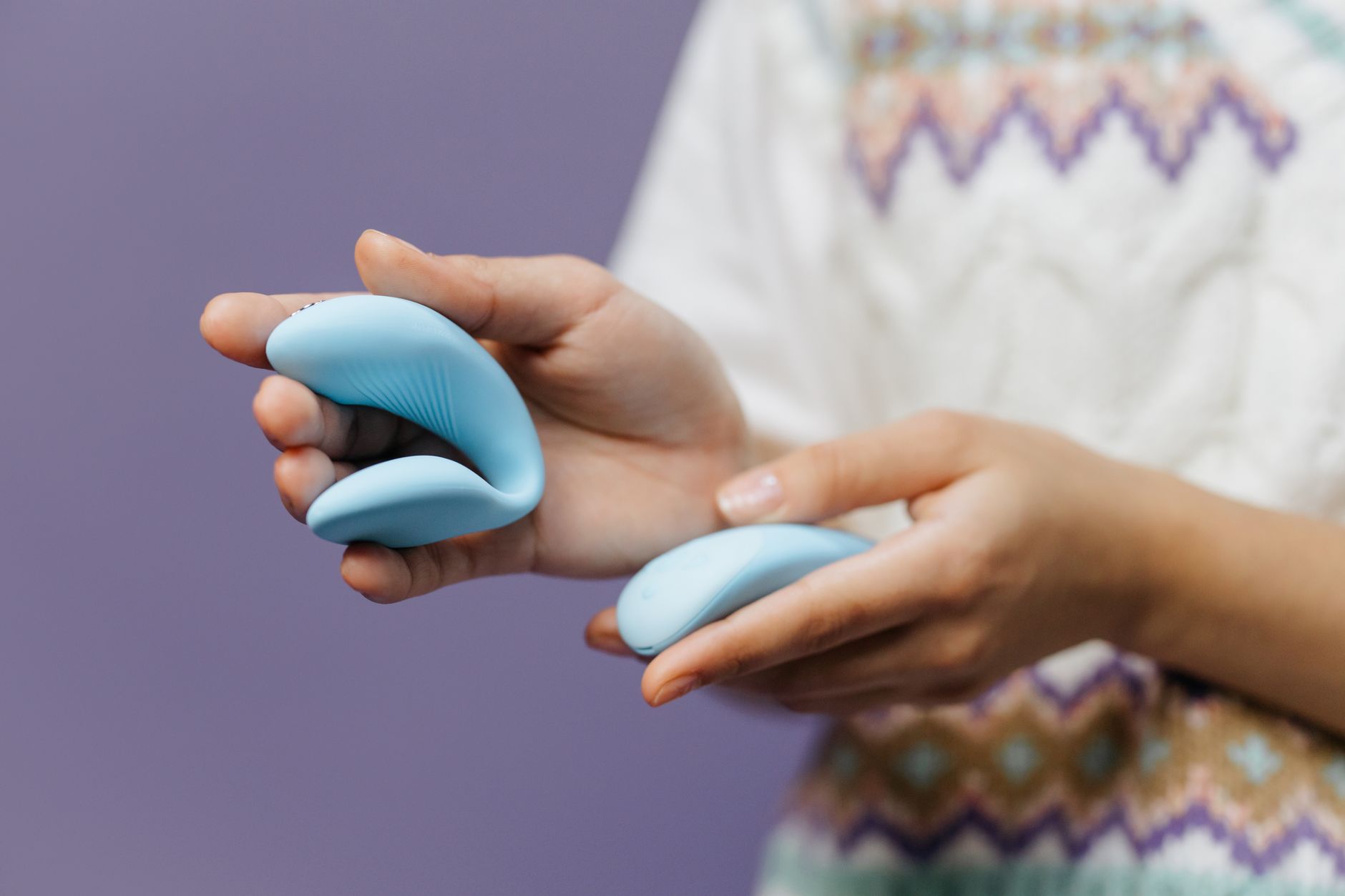
Let's be real about nerve damage and clitoral sensation
Nerve damage from childbirth, surgery, chronic pressure, or trauma can genuinely flatten sensation. The clitoris becomes less responsive, orgasms feel distant or impossible, and even direct stimulation barely registers. It's frightening and frustrating in equal measure. But here's what most people don't know: reduced sensation is not the same as lost sensation.
The nerves are still there. They're damaged, yes, but they're not dead. And the right stimulation method can help retrain your nervous system to respond again.
Why standard vibrators often don't work after nerve damage
Most vibrators rely on steady friction or percussion. They buzz against tissue repeatedly, counting on direct mechanical stimulation to trigger arousal. When nerves are compromised, this approach often feels like nothing. You turn it on, you wait, and your body stays flat. So you turn up the intensity, which can actually make things worse by fatiguing the already-stressed nerve pathways.
Air-suction clitoral vibrators like the Lem work on a completely different principle. Instead of vibration, they create rhythmic suction that stimulates the entire clitoral complex, including internal tissue and the thousands of nerve endings that run deeper than the surface. This distributed stimulation pattern can wake up sensation that direct vibration has been missing.
How air-suction differs from vibration for nerve-damaged tissue
Think of it this way: a vibrator is like tapping on a door. An air-suction device is like gently pulling the door open. One applies force at a single point. The other creates a pressure differential that engages a broader area.
When nerves are damaged, that broader engagement matters. You're not asking one nerve pathway to do all the work. You're engaging multiple pathways and letting them collaborate. Many people find that suction feels more pleasurable than vibration when sensation is compromised. It's less jarring, more enveloping.
Starting with the lemon vibrator when you're numb
If you've been numb for a while, you're likely anxious about disappointment. Don't start at intensity level 5 hoping for an instant breakthrough. You won't get one, and you'll feel worse.
Start with pattern 1 on the Lem at the lowest setting. Place it on your clitoris and sit with it for two to three minutes without expecting anything to happen. Your job is observation, not orgasm. Notice any small shifts: warmth, mild tingling, a sense of pressure, even just being aware that the device is there. These are data points, not failures.
Many people notice sensation returning in stages. First, pressure awareness. Then mild warmth. Then something closer to sensation. Then, eventually, pleasure. It's not instant, but it's consistent if you're patient.
The role of mental state in rebuilding sensation
Here's where most guides miss the mark. Nerve damage isn't purely physical. If you've been numb for months or years, your brain has learned to expect numbness. It's not waiting for sensation. It's braced against disappointment.
When you start using the Lem, you need to actively work against that learned numbness. This sounds like meditation speak, but it's neurology. Your brain can literally rewire its response to stimulation. That rewiring happens faster when you're calm and present, not white-knuckling toward an orgasm.
Try this: use the device at low intensity for 10-15 minutes without aiming for anything specific. Read a book nearby. Listen to music. Let your brain understand that this sensation is safe and neutral, not a performance test.
Building intensity gradually over weeks
Once you're comfortable with pattern 1 at level 1, spend a full week there. Then move to level 2. Spend another week. This sounds slow. It is. It's also how you rebuild nerve response without overwhelming already-compromised pathways.
After two to three weeks, move to pattern 2 (if the Lem has multiple patterns). Again, start at low intensity. Spend a full week. The goal isn't to rush to maximum intensity. The goal is to create a stable foundation where your nervous system learns that sustained stimulation feels good.
Many people find that after four to six weeks of gradual escalation, sensation and even orgasm return. Not always. But often enough that patience actually works.
When numbness is paired with pain or sensitivity
This matters because sometimes nerve damage creates weird combinations: numb in one area, hypersensitive in another, or alternating between the two. If the Lem triggers any sharp pain, numbness, or that awful electric-shock feeling, stop immediately and consult a pelvic floor physical therapist. You might have nerve compression or inflammation that needs professional assessment.
Mild discomfort as sensation returns is normal. Shooting pain or burning is not. There's a real difference, and your body will tell you which one it is.
Combining the lemon vibrator with other approaches
You don't have to choose between the Lem and pelvic floor work. In fact, they work better together. Pelvic floor physical therapy can help reduce nerve irritation and improve blood flow. Better circulation means better response to stimulation. Many people find that therapy sessions plus weekly Lem use creates faster progress than either one alone.
The same goes for mindfulness practices. Nerve damage often comes with anxiety about sex. Addressing that anxiety (through therapy, meditation, or partner conversation) removes a real barrier to sensation returning. Your nervous system is part of your sexual system. When your nervous system is calm, sensation has more room to rebuild.
Communicating with a partner during this process
If you're with a partner, the absolute worst thing you can do is treat the Lem like a secret experiment. They'll notice the change in your attention or energy, and confusion will fill the gap.
Instead: "My sensation is coming back slowly, and I want to explore that with a tool that works better for my body right now. It's not about you. It's about rebuilding something I lost. Will you be patient with me while I figure this out?"
A good partner will understand immediately. They might even want to watch or participate, which can be hot and also helpful. You're not replacing them. You're reclaiming your own body.
What to expect (and not expect) in the recovery timeline
Some people notice sensation returning within three to four weeks. Others take three months. A few people find that sensation returns partially but not completely. That last reality is hard to sit with, but it's honest.
What almost always happens is that pleasure becomes possible again, even if it's different than it was before. Different doesn't mean worse. It might be deeper, more localized, or require different triggers. But it's still pleasure, and your body still deserves it.
FAQs: Rebuilding clitoral sensation with air-suction vibrators
Can a lemon vibrator really restore feeling after nerve damage?
A lemon vibrator can't repair nerve damage itself, but air-suction stimulation can help your nervous system relearn how to respond to sensation. The Lem works differently than friction vibrators because it engages a broader area of clitoral tissue and creates pressure rather than vibration. Many people find sensation and orgasm returning after four to eight weeks of consistent use at gradually increasing intensities. Results vary based on the severity of damage and how long you've been numb.
How long should I use the Lem each session if I'm numb?
Start with 10-15 minutes at low intensity, no pressure to orgasm. Your goal is teaching your brain that sustained stimulation is normal and safe. After two to three weeks, you can extend to 20-25 minutes if you want to, still at low-to-medium intensity. Sessions longer than 30 minutes can sometimes desensitize nerves further, so there's a ceiling on how long to go each time.
Should I use lube with a lemon clitoral vibrator if sensation is already compromised?
Yes. Water-based lube reduces friction and makes the suction seal more consistent, which actually improves sensation. It sounds counterintuitive, but a good seal on the clitoris means the air-suction mechanism works better. Use whatever water-based lube feels slippery to you. Reapply midway through a session if you notice it drying out.
What if I feel no sensation at all for weeks?
First, confirm you're actually at the lowest intensity. Many people accidentally start higher than they think. Second, give it four full weeks of consistent use before reassessing. Third, if you truly feel nothing after a month, consider seeing a pelvic floor physical therapist to rule out inflammation or compression. Sometimes what feels like nerve damage is actually swelling around the nerve that can be treated.
Can I use a lemon vibrator if I have nerve pain alongside numbness?
It depends on the type of pain. Mild tingling or discomfort as sensation returns is normal. Sharp, shooting, or burning pain is not. If pain accompanies numbness, see a pelvic floor specialist before using any vibrator. They can determine whether the pain is from nerve healing or from a condition that needs different treatment.
Is it normal for sensation to return unevenly (some spots feeling more than others)?
Completely normal. The clitoris has different zones with different nerve densities. Damage often affects some areas more than others. You might feel more sensation on one side or in one particular pattern. As weeks progress, feeling usually becomes more evenly distributed. For now, experiment with different patterns and intensities to find which ones trigger the most response in the most sensitive areas.
The path forward
Nerve damage is real, and it's okay to grieve what you've temporarily lost. But numbness after nerve damage is not permanent. Your nervous system is remarkable at adapting and healing if given the right input over time. A lemon vibrator is one tool in that rebuild. Combined with patience, gradual progression, and maybe some professional support, sensation often comes back. Your pleasure matters. Getting it back takes time, but it's worth it.
If you're struggling to rebuild sensation or you're unsure whether what you're experiencing is nerve damage or something else, get in touch with our team. We can point you toward resources and support that matches your specific situation.